


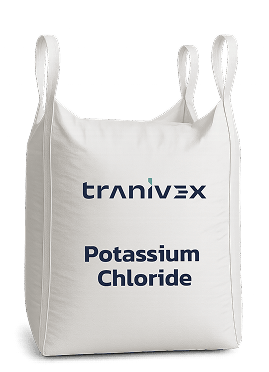
A highly concentrated source of potassium for both base application and top dressing on all types of soils. It contains up to 65% of the active substance, supplying plants with the essential element for growth, development, and the production of high-quality yields. Potassium chloride is indispensable on sandy, podzolic, peat, and light loamy soils where potassium is easily leached. Its main advantage lies in the high bioavailability of nutrients
Potassium chloride
Potassium chloride
Composition
Potassium (K)60
- Ensures even nutrient delivery
- A cost-effective and widely used fertilizer with high efficiency
- Versatile in application: for base fertilization, during sowing, and as top dressing
- Improves the agrochemical properties of soil and enhances its fertility
The amount of fertilizer depends on the soil type, the crop, and its stage of development. Sunflower, barley, sugar beet, potatoes, and many vegetable crops are particularly in need of potassium fertilization. Cereals (such as wheat, rye, and others) require significantly less potassium.
Application recommendations:
1. Incorporate dry granules into the soil by mixing them with moist ground.
2. In autumn, apply potassium chloride at a rate of 100–200 g per 10 m²; in spring — 25–35 g per 10 m².
3. For spring fertilization, use 25–35 g per 10 m², and for repeated application on mature plants, double the dosage.
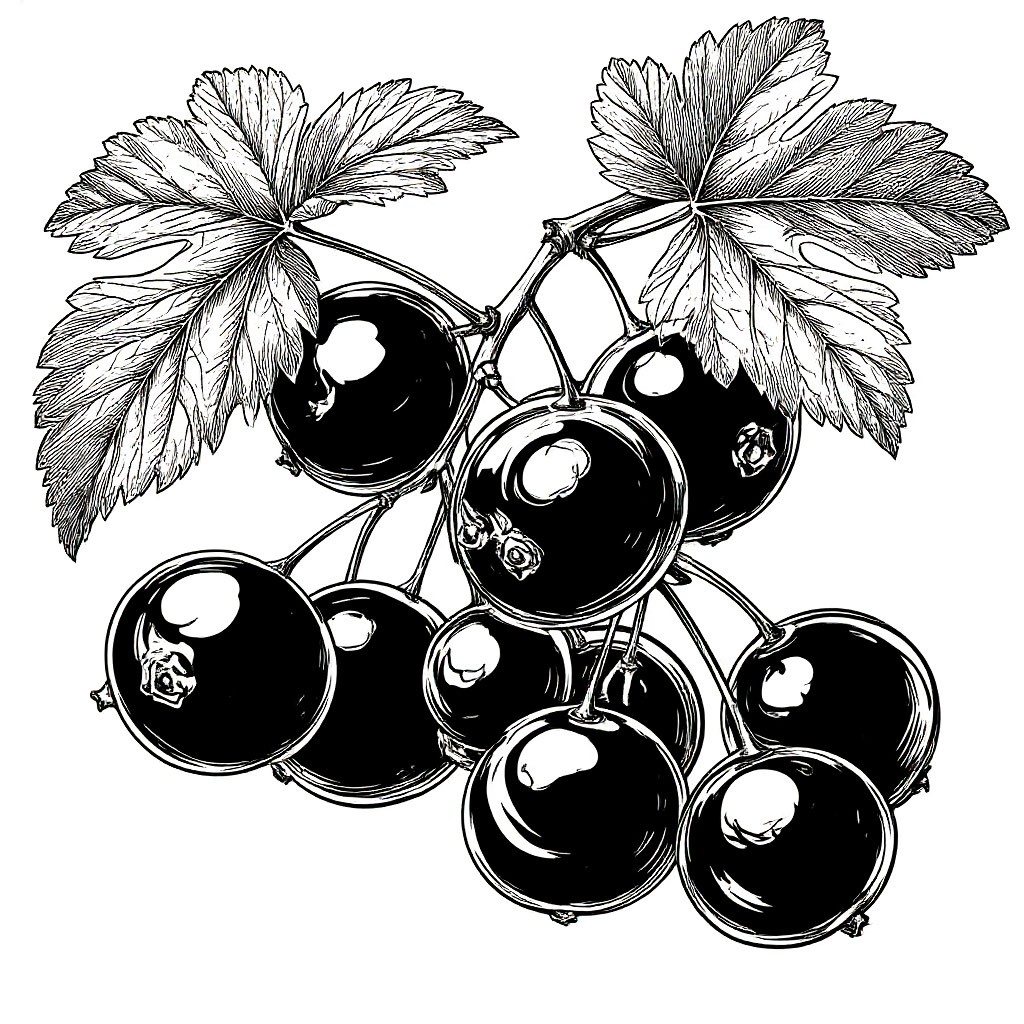
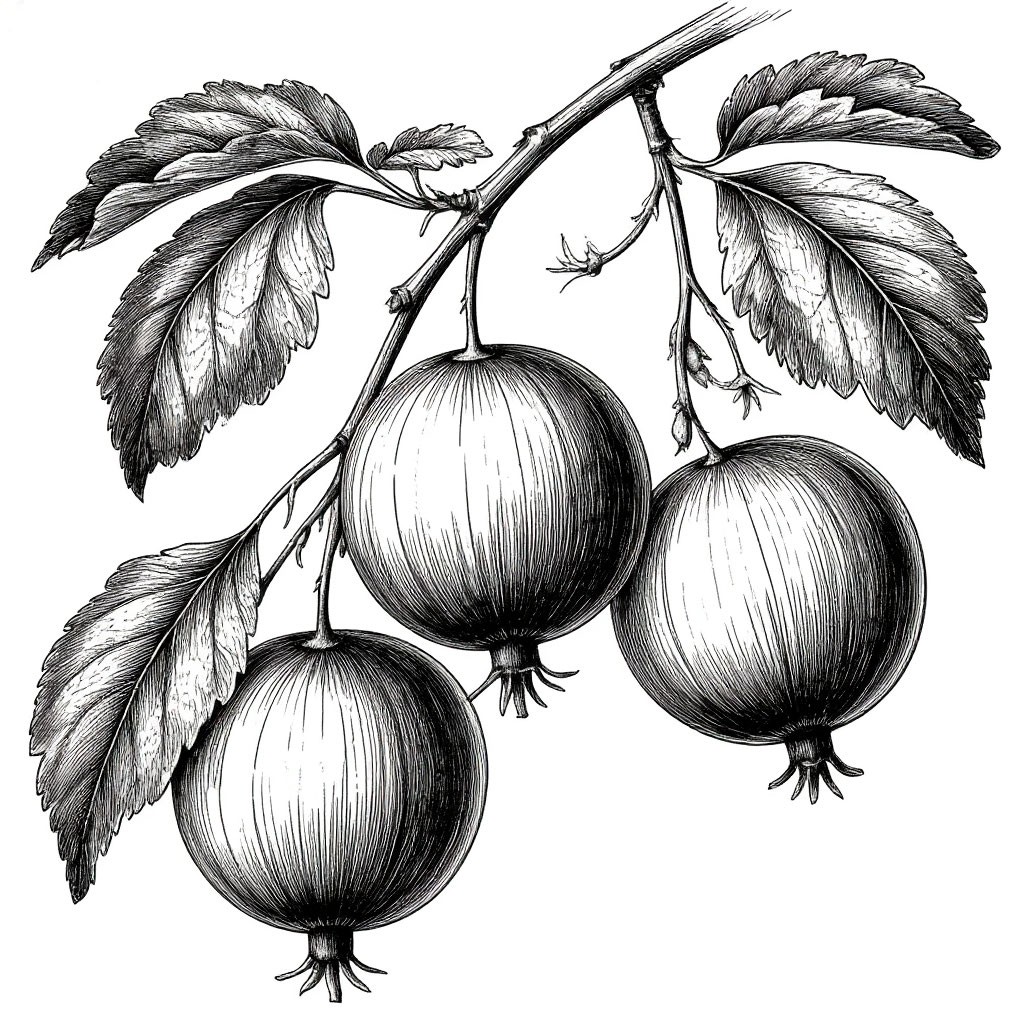
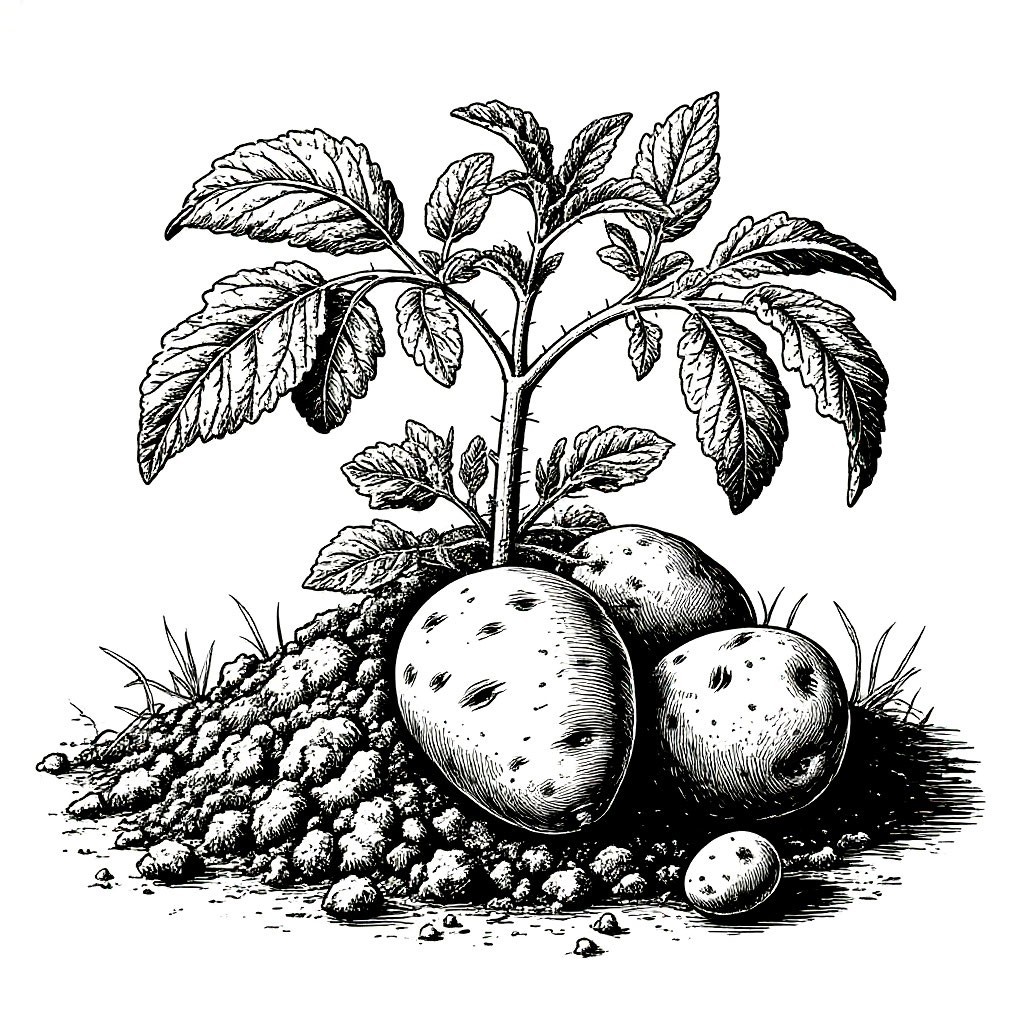
Important! Potassium chloride is not recommended for chlorine-sensitive crops:
- Vegetables: cucumbers, tomatoes, potatoes
- Berries: gooseberries, currants, grapes, raspberries
- Legumes
- Leafy greens (lettuce crops)
Moisture content, % — not more than 1.0
Granulometric composition, % — not regulated
Dynamic transparency, % — not regulated
Free-flowing capacity, % — 100
Blackcurrant

Cucumbers
Gooseberry

Peas
Potato
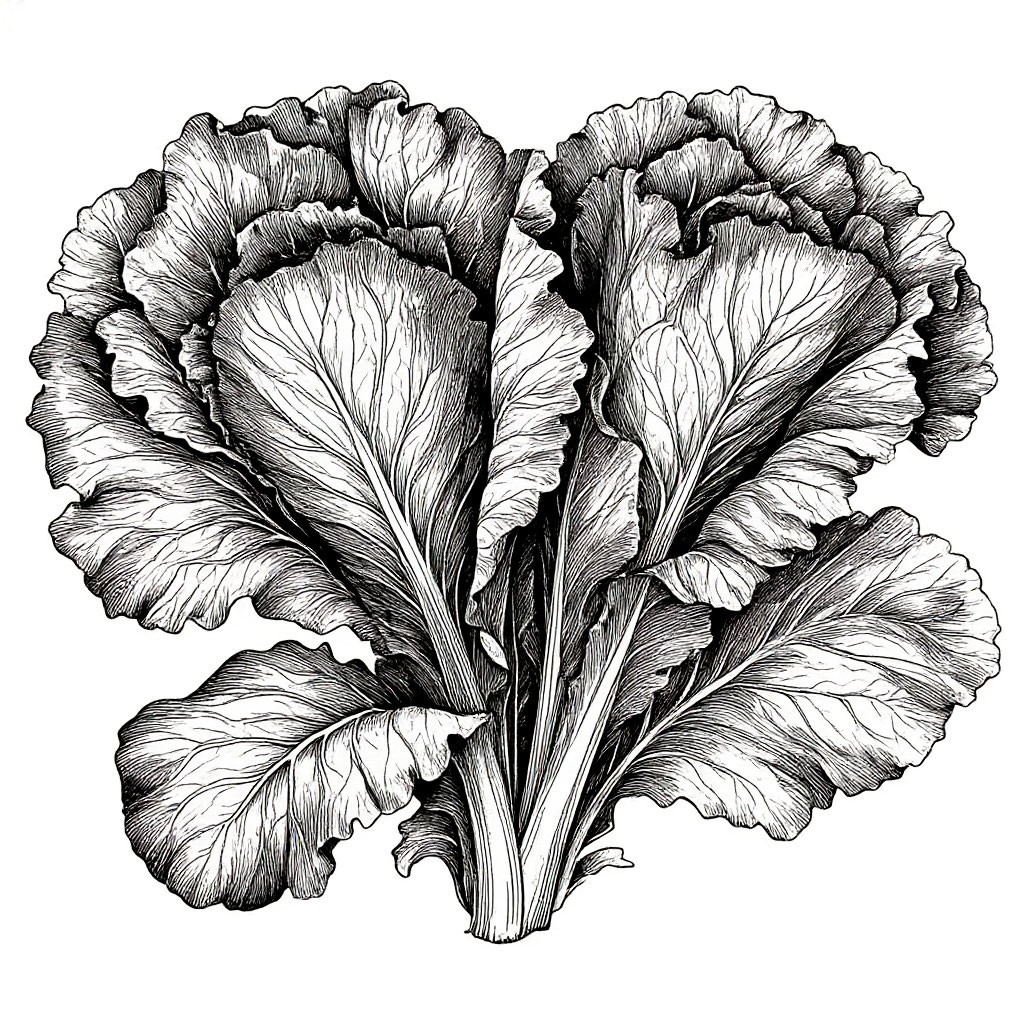
Salad crops
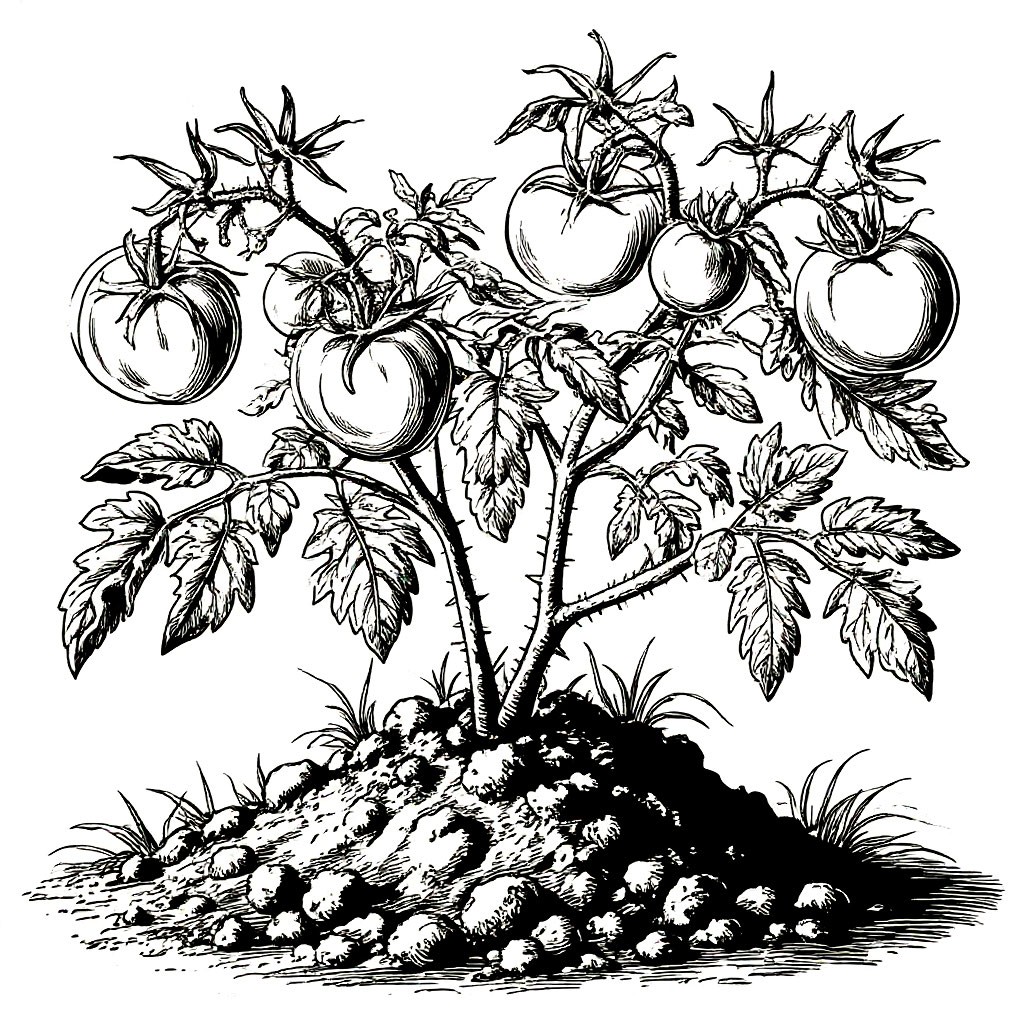
Tomato
Packaging and storage
Potassium fertilizer is supplied in soft containers (big bags) and in bulk.
Storage conditions:
-
Store in closed, dry warehouse facilities at temperatures from –40 °C to +40 °C, avoiding exposure to moisture and direct sunlight.
-
Prevent contact with acids, alkalis, and flammable substances.
-
Stack big bags on pallets in a single row to ensure stability and easy inspection access.
-
When handling the fertilizer, use personal protective equipment: gloves, respirator, and safety goggles.
Delivery and payment
Our company provides a transparent and convenient purchasing process. We've developed a simple ordering system so that every customer can quickly select the desired product, agree on the details, and receive the goods within the agreed-upon timeframe. Learn about the main stages of the process.
01
Placing an order
You select a product and place an order in a few minutes.
02
Order confirmation
The manager will contact you to clarify details and confirm
03
Payment for the order
Convenient and secure payment methods are offered.
04
Order delivery
The order is delivered quickly and in secure packaging.
Frequently asked questions
01. What Types of Mineral Fertilizers Do You Offer?
Our range includes nitrogen, phosphorus, and potassium fertilizers, as well as complex NPK blends and specialized mixtures. We provide both standard formulations and modified options with sulfur, magnesium, and micronutrients
02. In What Packaging Are Fertilizers Supplied?
We offer fertilizers in various formats: bulk, big bags weighing 500–1000 kg, and 25–50 kg sacks. This makes it convenient to choose the right option for large farms, as well as medium-sized agricultural enterprises
03. How Should Fertilizers Be Stored?
Fertilizers should be stored in dry, well-ventilated areas, protected from moisture and direct sunlight. When stored in bulk, it is recommended to place them on pallets and cover with waterproof materials
04. Can Your Fertilizers Be Mixed with Other Products?
Most complex fertilizers can be combined with pesticides and other agrochemicals; however, we recommend conducting a compatibility test before use. If needed, we provide consultation on optimal application schemes
05. How to Choose the Right Fertilizer?
The choice depends on soil composition, climate conditions, and the specific crop being cultivated. Phosphorus fertilizers are best for initial feeding, nitrogen fertilizers for active growth, and potassium or NPK complexes for yield formation and product quality improvement. Our experts will help you find the optimal solution for your needs
Other products

Urea (Carbamide)
Urea provides agricultural crops with nitrogen throughout the entire growing season. It contains three forms ...
Catalog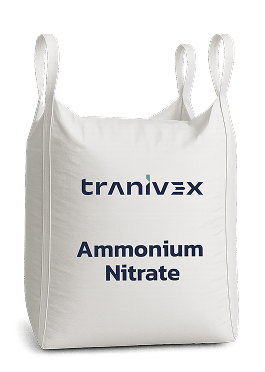
Ammonium nitrate
A concentrated granular nitrogen fertilizer designed to supply crops with nitrogen in the early spring ...
Catalog
Ammonium sulfate
Ammonium sulfate is an effective nitrogen fertilizer with a high sulfur content, widely used for ...
Catalog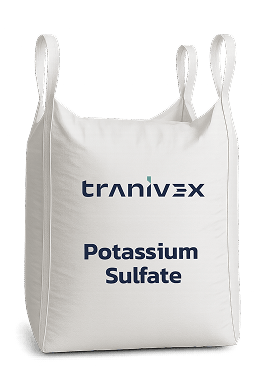
Potassium sulfate
Potassium sulfate is used for plant fertilization in both open fields and greenhouses, applied either ...
Catalog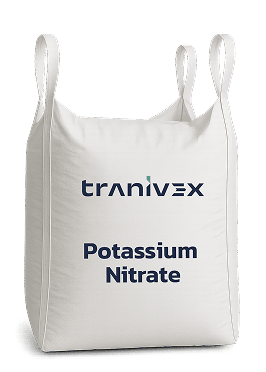
Potassium nitrate
Potassium nitrate is a balanced fertilizer with an optimal content of nitrogen and potassium, providing ...
Catalog
Nitroammophoska NPK 16:16:16
Nitroammophoska NPK 16:16:16 is used as a base and pre-sowing fertilizer for most agricultural crops. ...
Catalog
NPKS 15:15:15:11
NPKS 15:15:15:11 is a universal compound fertilizer containing nitrogen, phosphorus, potassium, and sulfur, suitable for ...
Catalog Artur Malakhov - director of the department